Mukhyamantri Svanidhi Yojana Rajasthan, ₹50,000 Loan Without Guarantee
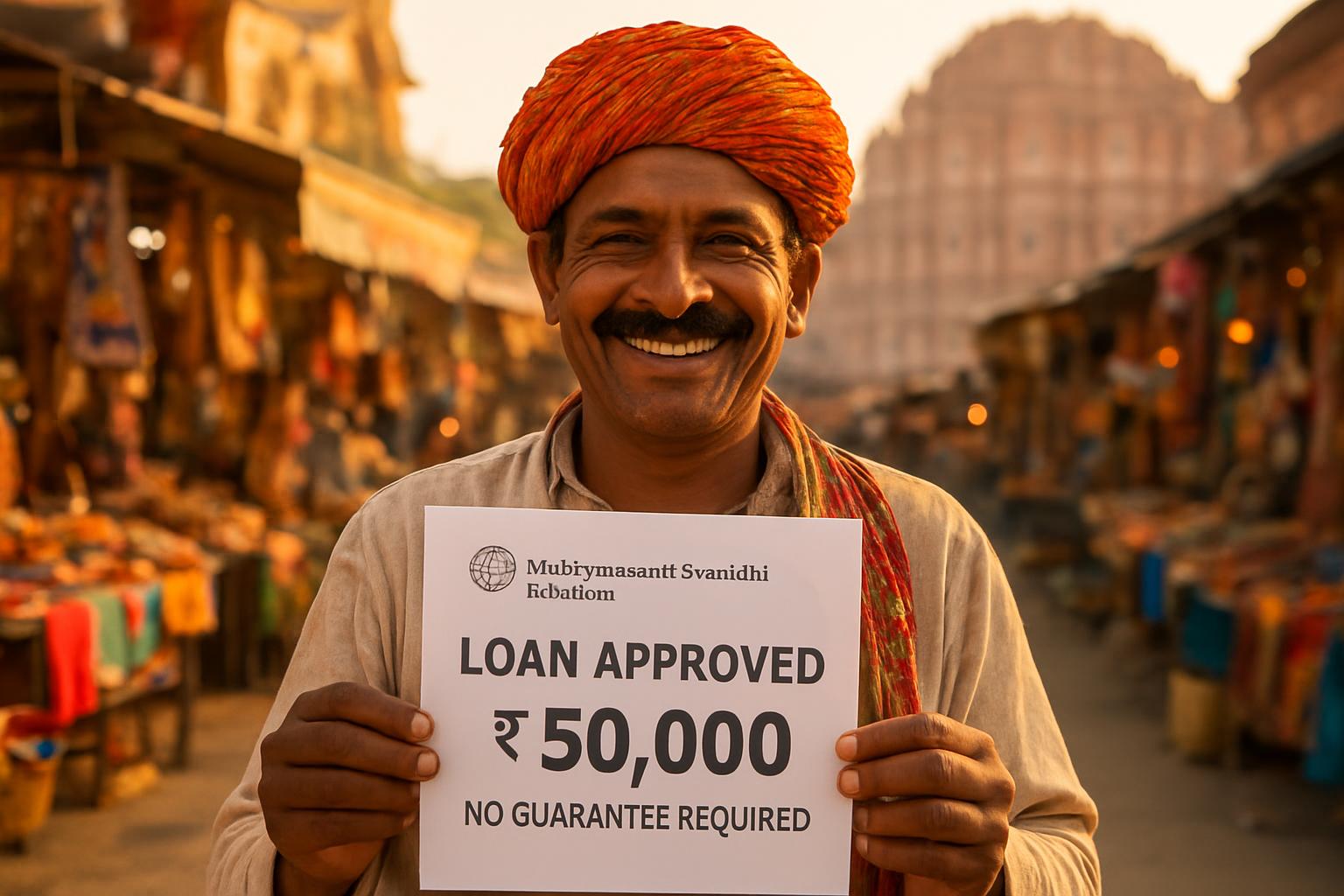
Rajasthan government offers ₹50,000 loan without guarantee for workers.

Rajasthan government offers ₹50,000 loan without guarantee for workers.
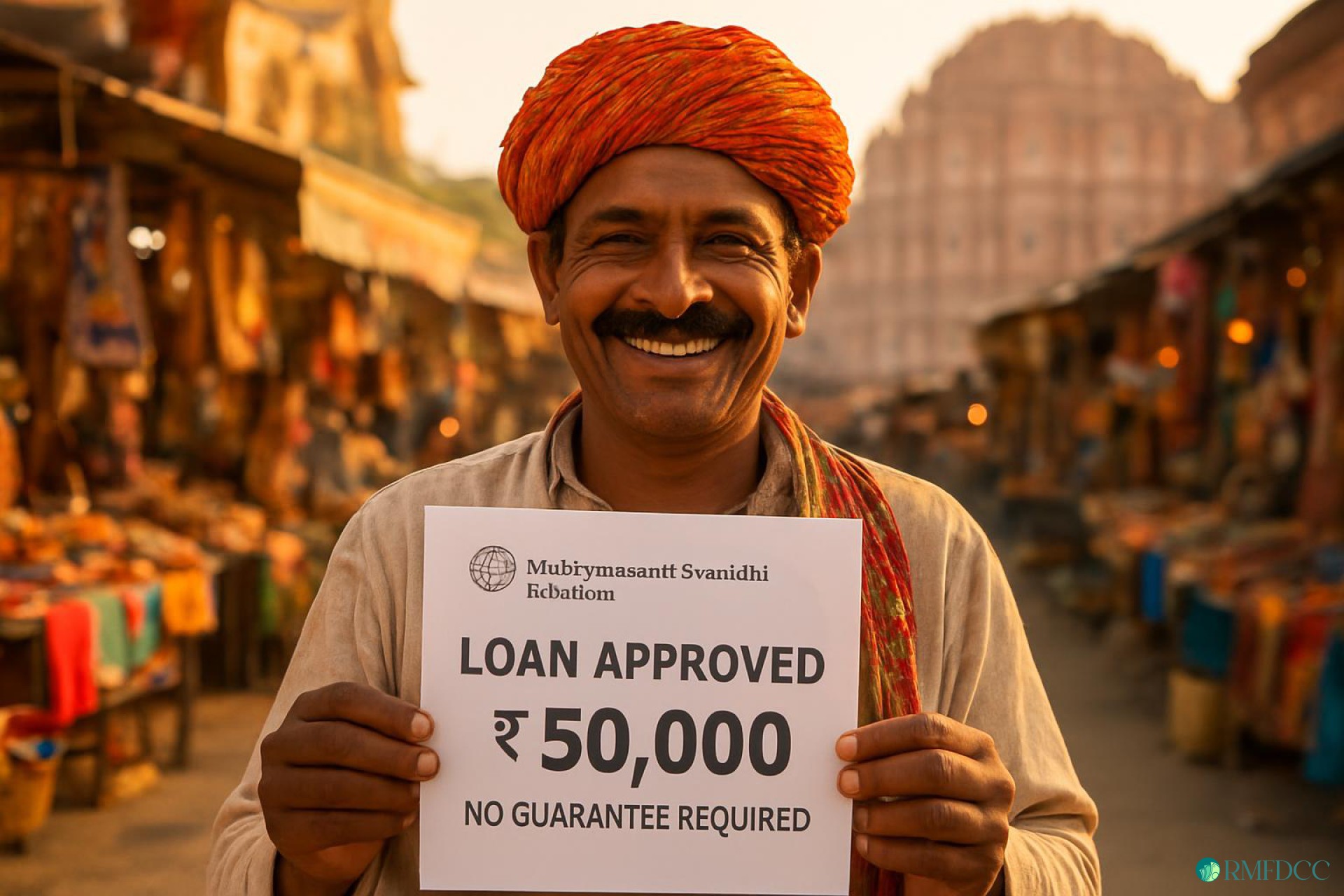
Some schemes arrive quietly. Others knock, loudly, right when people need them most. Rajasthan’s Chief Minister Svanidhi Yojana 2025 feels like the second kind.
If you sell vegetables on a cart. Stitch clothes at home. Drive for an app. Fix phones. Run errands for a living. This plan was drawn with you in mind. I’ll say it straight. The state government has opened online applications for a loan that reaches up to ₹50,000. No collateral. No security papers. No running after middlemen. And yes, there’s interest relief too.
Let’s slow down and unpack this, step by step, without the noise.
First, what is this scheme really about?
Think of the Prime Minister’s Svanidhi Yojana. Now picture a Rajasthan-specific version, tailored for local workers. That’s the Chief Minister Svanidhi Yojana. It launched with the Rajasthan Budget 2025–26 and focuses on gig workers, home-based workers, and people in the unorganized sector who want to start or expand a tiny business.
Not a startup pitch. Not a corporate dream. Real work. Daily work.
The government offers loans in three stages. Gradual. Practical. Designed so repayment doesn’t choke your cash flow.
Here’s how the loan structure works.
Stage one gives ₹10,000.
Repayment time: 12 months.
Stage two moves up to ₹20,000.
Repayment time: 18 months.
Stage three reaches ₹50,000.
Repayment time: 36 months.
Each stage opens only after the previous one shows proper repayment. Fair enough.
Now the part people usually ask twice.
Is there any guarantee required?
No. None. Zero collateral. No gold. No property papers. No guarantor uncle signing forms.
On top of this, the Rajasthan government provides a 7 percent interest subsidy. In simple words, whatever interest builds on your loan, the state covers 7 percent of it. That directly reduces what you repay. For small earners, this detail matters more than glossy headlines.
Eligibility stays clear and strict enough to avoid confusion.
• Applicant must be 18 years or older
• Must belong to the unorganized sector
• Gig workers, street vendors, home workers all qualify
• Must want to start or continue a small business
• Must hold a Jan Aadhaar linked to a mobile number
If your income comes from daily effort, not fixed salary slips, you’re likely in the right zone.
Now, about applying. This part surprises many people.
You don’t need to visit a bank.
Everything happens online through Rajasthan’s Single Sign-On portal. Free of cost. No agent fees. No “form filling charges”.
The official portal is sso.gov.in. If you already use Rajasthan government services, chances are you already have an SSO ID. If not, registration takes a few minutes.
Once logged in, your dashboard opens. It looks like a grid of government apps. Search for “Mukhyamantri Svanidhi Yojana”. You’ll notice a small “New” tag beside it. Click there.
The scheme dashboard opens. If you’re applying fresh, choose “New Application”.
Here’s where Jan Aadhaar plays its role.
Enter your family’s Jan Aadhaar number. Verify it. All linked family members appear on screen. Select the person who wants the loan. OTP goes to the mobile number linked with that Jan Aadhaar. Enter OTP. Verified.
The form opens.
A small but important clarification here. One SSO ID can submit multiple applications. The SSO ID does not need to belong to the applicant. You can apply for your parents, spouse, or siblings from your login. People miss this detail often.
Now comes the form itself.
Basic details auto-fill from Jan Aadhaar. Name. Father or husband’s name. Gender. Date of birth. Category. Minority or disability status if applicable.
You manually enter a few things.
Next section asks about work experience. How long have you been doing your current work? Months or years. No fancy proof asked at this stage.
If you have a ration card like BPL, Antyodaya, or Annapurna, enter the number. Otherwise, leave it blank.
Address details follow. District. Tehsil. Block. Panchayat. Village or ward. Pin code usually auto-fills. Tick the box if current and permanent address are the same. Also select whether you live in a rural or urban area. Urban applicants must choose their municipality and ward number.
Then comes the heart of the application. Your work.
You select what you currently do. The list includes gig workers, transport workers, vendors, service providers. If your work isn’t listed, choose “Other” and describe it in your own words. No pressure to sound official.
Business address comes next. Even if it’s a small stall or home workspace, fill it carefully.
Now the proposed project section.
This asks how much money your business needs. Project cost. Working capital. Total cost. If you’re applying for ₹50,000 eventually, enter figures that make sense for your work. Overthinking here usually backfires.
After this, bank details.
You must enter details of your savings account because loan money goes directly there. Bank name. Branch. Account number. IFSC code.
Then you choose preferred lending banks. You can select up to two banks as options. District, bank name, branch. IFSC appears automatically.
Documents come next. Only two uploads required.
First, a registration document from the local authority related to your work. For street vendors, this comes from the municipality or council.
Second, a self-declaration affidavit for unorganized workers under the Svanidhi Yojana. You print it. Fill it by hand. Name. Address. Type of work. Duration of work. Workplace address. Ward number. Sign it. Add date and place. Scan and upload.
Two checkboxes remain.
One confirms all information provided is true.
The other allows Aadhaar or Jan Aadhaar verification.
Click submit.
That’s it.
After submission, your dashboard shows application status. In most cases, the first installment of ₹10,000 reaches your bank within about a month. Sometimes earlier. Sometimes slower. Bureaucracy still breathes at its own pace.
This scheme exists for people who want to stand on their own feet. Barber shops. Vegetable carts. Repair stalls. Home kitchens. Small service work. Nothing flashy. Just honest livelihoods.
In short, the Chief Minister Svanidhi Yojana 2025 offers something rare. A chance. Without collateral pressure. With interest relief. And without running office to office.
If this sounds useful, don’t delay. Schemes like these quietly close once targets fill.
And yes, one last thing. Always apply directly. Free means free.
Stay informed. Stay alert with rmfdcc.com.
More updates soon.